
Summer in the Garden
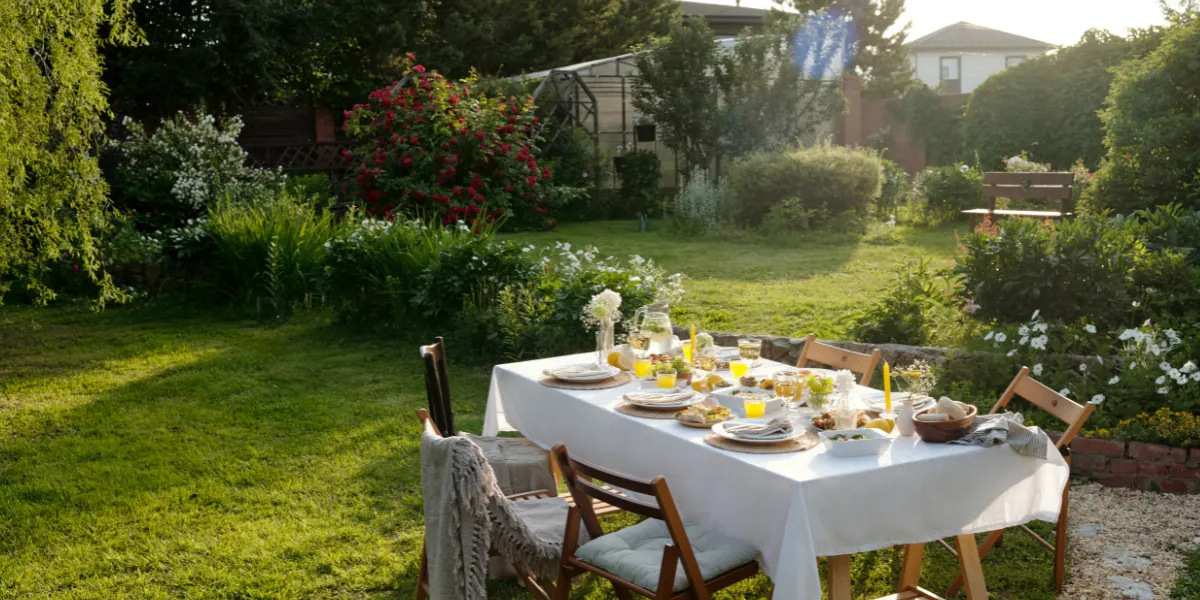
Summer is when the garden really comes into its own.
Borders are full, flowers are opening, bees and butterflies are busy and the garden finally becomes somewhere to sit, entertain and enjoy.
But while spring is often about getting things started, summer garden care is about keeping everything thriving.
Watering, deadheading, selective pruning and keeping vigorous growth under control can all help your garden continue performing well — particularly during prolonged hot or dry weather.
Enjoy Your Garden
Gardens aren't supposed to be an endless to-do list.
Summer is the time to actually use yours.
Eat outside. Have friends over. Sit with your morning coffee. Wander around looking at what's flowering. Or do absolutely nothing except lie in a chair and admire it.
And while you're enjoying it, you'll naturally start noticing which parts work beautifully and which areas could be improved.
Sometimes simply spending time in your garden is the best way to understand what it needs.
Summer Garden Jobs
Keep an Eye on Watering
Established plants are generally more resilient than newly planted ones, but prolonged dry spells can still cause problems.
New planting, containers and plants with naturally high moisture requirements will usually need closer attention.
A thorough watering that reaches deeper into the soil is generally more useful than repeatedly wetting only the surface.
And if possible, water during the cooler parts of the day, when less moisture is lost through evaporation.
Deadhead for More Flowers
Removing spent flowers can encourage many plants to keep producing new blooms rather than putting their energy into seed production.
Roses, dahlias and many flowering perennials can particularly benefit.
But don't automatically deadhead everything.
Some seed heads are beautiful in their own right and later provide valuable food for wildlife.
As always, it comes back to knowing what you're growing and what you want from it.
Keep Weeds Under Control
Unfortunately, the plants you didn't invite to the garden also enjoy summer.
Removing weeds before they flower and set seed prevents a small problem becoming a much bigger one.
In established borders, regular attention throughout summer is usually far easier than waiting until weeds have become tangled through the plants you actually want to keep.
What Should You Prune in Summer?
Summer can be an important time for pruning certain plants, particularly shrubs that have finished flowering.
But - exactly as we said on the spring page - don't simply cut something because it's getting big.
Different plants respond differently to pruning.
Before reaching for the secateurs, consider what the plant is, when it flowers and whether it produces flowers on old or new growth.
Correctly timed pruning can improve shape, control size and encourage healthy future growth.
Poorly timed pruning can remove next year's flowers.
Look at What's Working
Summer gives you something no garden plan can:
the real thing.
You can see which plants are thriving, which colours work together and where the garden has gaps.
You may discover that an area you thought was sunny is shaded for much of the day once surrounding trees are in full leaf.
Perhaps one plant has become enormous and is swallowing everything around it.
Or maybe there's a corner that simply doesn't make you smile.
Take photographs.
Make notes.
You don't necessarily need to change it now.
Summer observations can help you make much better planting decisions later in the year..
Support Plants Before They Flop
Some tall perennials become top-heavy as they grow and flower.
By the time they've collapsed across the lawn or flattened everything growing beside them, staking them becomes considerably harder.
Providing support before plants desperately need it allows their foliage to grow naturally around the supports and makes the whole thing far less obvious.
This is one of those tiny gardening jobs that can prevent a much bigger one later.
Summer Planting
You can plant during summer, but conditions matter.
Plants introduced during warm, dry weather need much more attention while their roots establish.
If you're adding plants in summer, regular watering is particularly important and very hot spells may not be the ideal time to start moving established plants around.
Sometimes the best decision is to identify what you want now and wait until conditions are more favourable.
Help Your Garden Through Hot Weather
During prolonged hot weather, the aim isn't necessarily to make your garden look immaculate.
It's to help plants cope.
Prioritise newly planted areas and containers. Water where it's genuinely needed rather than automatically watering everything. Mulching can help reduce moisture loss from the soil.
And don't panic if an established lawn turns brown.
Grass is remarkably resilient and will often recover once wetter weather returns.
A temporarily brown lawn isn't necessarily a dead lawn.
Summer Wildlife
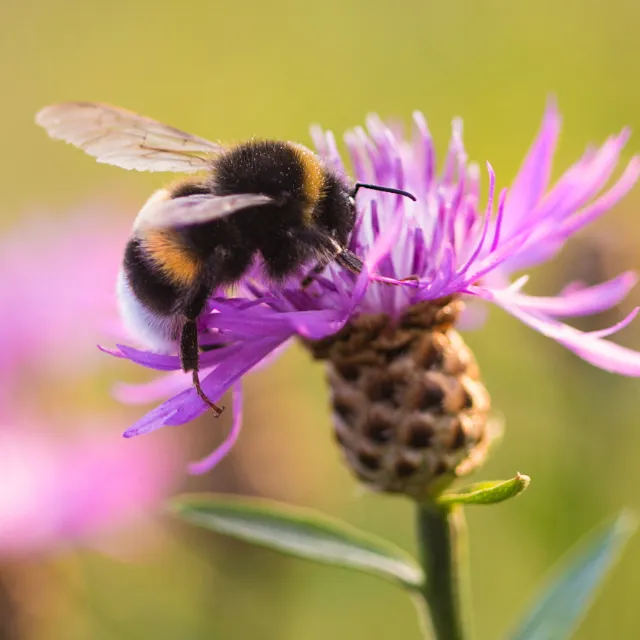
A summer garden can be absolutely buzzing with life.
Flowering plants provide nectar and pollen for bees, butterflies and other insects, while birds and other wildlife need access to water during hot, dry periods.
A shallow source of clean water can make a difference.
And again, a wildlife-friendly garden doesn't need to look neglected.
It can simply mean making thoughtful choices about planting, water and how much habitat we remove while keeping the garden attractive and enjoyable for people too.
Summer Care for Larger Gardens
In a larger established garden, summer growth can quickly become overwhelming.
Borders fill out, climbers take off, hedges grow and suddenly the garden that looked beautifully under control in May has other ideas by July.
Longer garden visits allow us to work methodically through different areas - pruning where appropriate, keeping borders manageable and spotting problems before they become major jobs.
The aim isn't to stop the garden growing.
It's to help all that growth work together.
Start Thinking About Autumn
Summer might seem an odd time to think about autumn, but it's actually perfect.
As you walk around your garden, notice:
Which plants have become too large?
Where are the gaps?
Which areas need more colour?
What would you like to move?
Which plants would you love more of?
You don't have to do anything about it immediately.
You're simply making a plan while you can see the garden at its fullest.
When cooler planting weather arrives, you'll already know where you want to start.
Need Help With Your Garden This Summer?
NPK Garden Services provides summer garden care throughout Bromsgrove, Barnt Green, Dodford and surrounding Worcestershire areas.
Whether your established garden needs knowledgeable ongoing care, pruning, planting or simply some help keeping summer growth under control, we'd be happy to take a look.
Spend More Time Enjoying Your Garden
If your summer gardening list is getting longer than the amount of time you actually spend sitting in the garden, we can help.
Tell us a little about your garden and what you'd like help with.
Talk to Us About Your Garden
Complete the form below and we will get back to you
or call: 07857 486300
You Might Also Be Interested In...
Premium Garden Care
Knowledgeable ongoing care to keep established gardens thriving throughout summer.
Pruning Services
Knowledgeable ongoing care to keep established gardens thriving throughout summer.
Garden Design & Planting
Noticed gaps or areas that aren't working this summer? We can help plan what comes next.
NPK Garden Services Ltd
Co. Reg. 15957142
Copyright 2024. All Rights Reserved
Facebook
Instagram