
Spring in the Garden
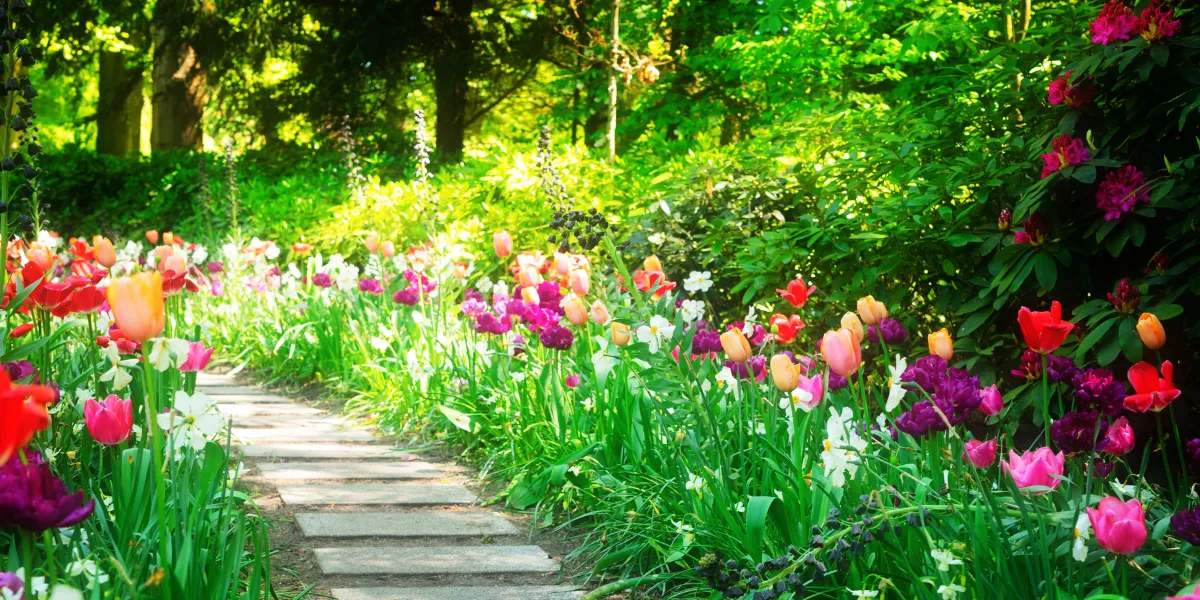
Spring is when everything starts happening again.
Bulbs push through the soil, buds begin to swell, perennials reappear and suddenly the garden that seemed relatively quiet a few weeks ago is changing almost daily.
It's tempting to rush outside on the first sunny day and start cutting, clearing and planting everything in sight.
But spring gardening isn't simply about doing more.
It's about noticing what's waking up, understanding what needs attention and knowing which jobs are better left for a little longer.
When Does Spring Really Begin in the Garden?
The calendar might tell us spring starts in March, but your garden may have other ideas.
A sheltered garden can burst into life weeks before a colder, exposed one. A mild February may encourage early growth, while a late frost can quickly remind us that winter hasn't completely disappeared.
Instead of relying entirely on dates, look at what's happening around you.
Are buds beginning to open?
Are bulbs emerging?
Has the soil started warming?
Are established perennials producing new shoots?
The plants themselves are often the best gardening calendar you have.
Spring Garden Jobs
Clear — But Don't Clear Everything
Old stems, fallen leaves and winter debris can make borders look untidy as spring arrives.
But before enthusiastically clearing everything away, take a closer look.
New perennial growth may already be hiding underneath and wildlife may still be using some of last year's stems and leaves for shelter.
Spring tidying is about making space for new growth without treating the garden like it needs disinfecting.
Check Your Plants
Spring is a brilliant time to simply walk around the garden and look.
Check for winter damage, broken branches and plants that haven't coped well with wet or cold conditions.
You'll also begin seeing which plants have survived and where gaps might need filling.
Don't panic if something isn't showing signs of life immediately, though.
Some plants are simply late risers.
Weed Early
This is one of those jobs where getting ahead really does pay off.
Removing weeds while they're young and before they flower or set seed can save a great deal of work later in the year.
It's also much easier to see what you're dealing with before the borders fill with summer growth.
Mulch Borders
Once borders have been weeded and the soil is moist, spring can be an excellent time to mulch.
Organic mulch can help retain moisture, suppress weeds and gradually improve soil structure as it breaks down.
Just avoid piling mulch directly around plant stems and woody trunks.
What Should You Prune in Spring?
And this is where we absolutely do not give people one giant list and tell them to attack everything with secateurs.
Spring is an important pruning season — but not everything should be pruned in spring.
Some shrubs flower on growth produced the previous year. Cut them back at the wrong time and you may remove the flower buds along with the branches.
Other plants benefit enormously from spring pruning and will respond with healthy new growth.
Before pruning, ask:
What plant is it?
When does it flower?
Does it flower on old or new growth?
Why am I pruning it?
If you don't know what the plant is, identifying it before picking up the secateurs can save a lot of disappointment later.
Spring Is a Time for Planting
Spring brings warming soil, increasing daylight and plenty of growing time ahead, making it a natural time to introduce new plants.
But successful planting isn't simply about choosing something pretty at the garden centre.
Consider:
• How much sunlight does the position receive?
• Is the soil wet, dry, heavy or free-draining?
• How large will the plant eventually become?
• What already grows around it?
• When will it flower?
• What will the border look like when that flowering period ends?
The right plant in the right place has a far better chance of thriving — and requires far less intervention later.
Divide and Rejuvenate Established Perennials
Some established perennials gradually become congested, lose vigour or simply grow too large for their allotted space.
Spring can be a good time to divide many of them as new growth begins.
One overcrowded plant can sometimes become several healthy plants — allowing you to rejuvenate the original while filling gaps elsewhere in the garden.
It's one of the lovely things about an established garden:
sometimes the plants you need are already growing in it.
Don't Forget What's Already Growing
Spring garden centres are dangerous places.
You go in for compost and somehow come home with seventeen plants and absolutely no recollection of how it happened.
Before buying lots of new plants, give your existing garden time to reveal itself.
This is particularly important if you've recently moved into a property.
Plants that seem completely absent in February may suddenly appear in April or May. Bulbs emerge, dormant perennials return and shrubs begin flowering.
If you've inherited an established garden, spending your first spring watching what appears can save you from removing something wonderful before you even knew it existed.
Look for Gaps — But Think Beyond Spring
Spring is a brilliant time to assess your borders, but don't only ask:
“What looks good here now?”
Ask:
“What will this look like in July?”
A border filled entirely with spring-flowering plants can look spectacular for a few weeks and rather empty for the rest of the year.
Good planting creates layers of interest.
Spring bulbs can disappear beneath emerging perennials. Summer flowers take over as spring displays fade. Autumn colour and seed heads extend interest later into the year.
The aim isn't necessarily to have everything flowering simultaneously.
It's to create a garden that keeps giving you something new to notice.
Keep an Eye on the Weather
Spring sunshine can be deceptive.
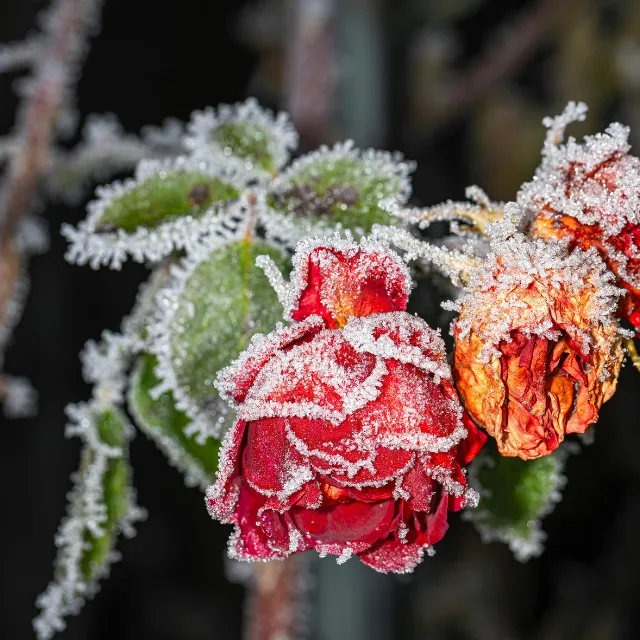
A beautiful warm afternoon doesn't mean the risk of frost has passed, particularly here in the Midlands.
Tender plants can still be damaged by cold nights, and newly planted specimens may need extra attention if spring suddenly turns dry.
This is another reason gardening by observation is more useful than blindly following dates.
Watch the forecast — and watch your garden.
Spring Wildlife in the Garden
Your garden isn't the only thing waking up.
Pollinators begin appearing, birds are nesting and countless insects become active as temperatures rise.
Before cutting hedges or disturbing dense shrubs, check carefully for nesting birds. Active nests of wild birds are legally protected in the UK, so this isn't merely a gardening consideration.
Early-flowering plants can also provide valuable food for emerging pollinators when other sources are still scarce.
A garden can look cared for without removing every leaf, stem and slightly untidy corner.
Spring Care for Larger & Established Gardens
In a larger garden, spring can feel slightly overwhelming.
Everything seems to need attention simultaneously.
Rather than racing around trying to do everything, it can help to prioritise.
Deal with jobs where timing matters first.
Then tackle areas where new growth will soon make access difficult.
After that, work systematically through borders and different parts of the garden.
A longer or full-day spring garden visit can be particularly useful because it gives us time to work through the garden properly rather than simply tackling whatever looks most urgent.
Need Help Getting Your Garden Ready for Spring?
NPK Garden Services provides spring garden care throughout Bromsgrove, Barnt Green, Dodford and surrounding Worcestershire areas.
We can help with pruning, planting, established borders, garden clearance and ongoing knowledgeable garden care.
And if you're standing in your garden thinking “I don't even know where to start”, that's fine too.
We can help you work out what needs attention now — and what can safely wait.
Help Your Garden Make the Most of Spring
Whether your garden needs a seasonal tidy, knowledgeable pruning, new planting or more regular care, tell us a little about your garden and what you'd like to achieve.
Talk to Us About Your Garden
Complete the form below and we will get back to you
or call: 07857 486300
You Might Also Be Interested In...
Pruning Services
Different plants need pruning at different times. Discover our approach to knowledgeable pruning.
Garden Design & Planting
Choose plants that suit your soil, aspect, available space and existing garden.
Explore Garden Design & Planting →
Mature & Existing Plants
Learn how we care for established planting rather than automatically replacing it.
NPK Garden Services Ltd
Co. Reg. 15957142
Copyright 2024. All Rights Reserved
Facebook
Instagram