
Autumn in the Garden
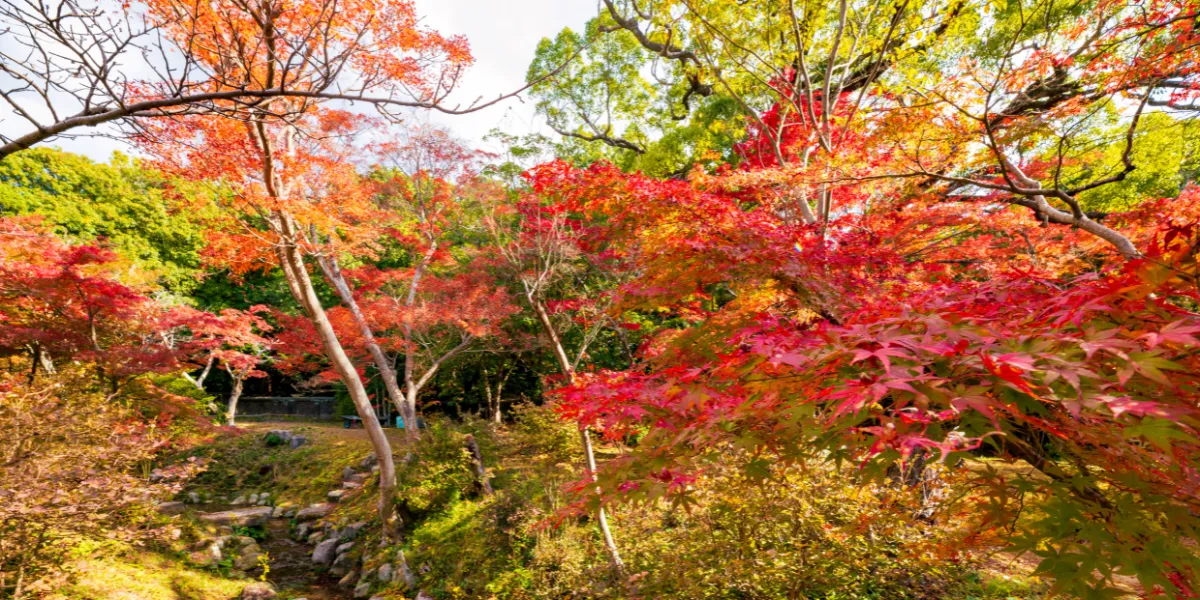
Autumn isn't the end of the gardening year.
In many ways, it's the beginning of the next one.
As summer growth slows and leaves begin to change colour, the garden gives us an opportunity to take stock.
We can see what worked, what became overcrowded and where we'd like something different next year.
The soil can remain warm long after the air starts to cool, making autumn an excellent time for many planting and dividing jobs.
So rather than simply putting the garden to bed, autumn is about preparing it for everything that's still to come.
Autumn Is for Planting
People naturally associate spring with planting, but autumn can be one of the best times to introduce many hardy plants.
The soil retains warmth from summer while cooler temperatures and increased rainfall reduce some of the stress associated with hot-weather planting.
That gives roots an opportunity to begin establishing before the following growing season.
Trees, shrubs and many hardy perennials can benefit from autumn planting when conditions are suitable.
And there's another advantage:
you're planting while you can still remember exactly what annoyed you about the garden all summer.
That empty patch.
The border with no late colour.
The shrub that has completely swallowed its neighbour.
Now is the time to start doing something about it.
Take Stock of Your Garden
Before you start cutting everything down, walk around.
What performed brilliantly this year?
What struggled?
Which plants became too large?
Where were the gaps?
Which areas had colour for months — and which looked rather sad by July?
Autumn is an excellent time to make notes and take photographs.
Gardens are constantly evolving, and what worked five years ago may no longer work today.
A tree has grown and created more shade.
A shrub has expanded.
Your own needs may have changed.
Good gardening isn't about creating a garden once.
It's about allowing it to evolve.
Autumn Garden Jobs
Clear Fallen Leaves Where Needed
Fallen leaves are one of autumn's most obvious jobs — but they aren't automatically rubbish.
Leaves left thickly across lawns can block light and damage grass, while wet leaves on paths and patios can become slippery.
But elsewhere in the garden, leaves can be useful.
They can provide habitat for wildlife and, when collected and composted appropriately, eventually create valuable leaf mould.
So the answer isn't necessarily “remove every leaf.”
It's deciding where they can stay and where they need to go.
Divide Established Perennials
Some established perennials become congested over time or simply outgrow their space.
Autumn can be a good time to divide many varieties while the soil remains workable.
This can rejuvenate an older clump and give you additional plants for elsewhere in the garden.
One plant suddenly becomes three or four.
Free plants. My favourite price.
Deal With Weeds
It may be tempting to ignore weeds as growth begins slowing down, but dealing with them now can mean fewer problems later.
Removing perennial weeds and preventing others from setting seed helps leave borders in better condition for spring.
Mulch and Improve Borders
Once borders have been weeded and plants divided or moved, autumn can be a useful time to add organic matter or mulch where appropriate.
This can help protect soil, improve its structure over time and reduce future weed growth.
Should You Cut Everything Back in Autumn?
No.
And I want that as a standalone answer because it's exactly the sort of thing someone might Google.
The traditional approach of cutting every perennial down to ground level and leaving the garden spotless isn't always necessary — or desirable.
Some dried stems and seed heads provide beautiful structure through autumn and winter.
Others provide food and shelter for wildlife.
And frost catching a dried seed head on a cold winter morning can look spectacular.
Of course, some plants collapse into an unattractive soggy mess and are better removed.
Again, the answer isn't one rule for everything.
Look at the plant in front of you.
What Should You Prune in Autumn?
Autumn is not an invitation to prune everything that looks untidy.
Some plants can be damaged by autumn pruning, while others are better dealt with at a different point in their growth cycle.
Before cutting back a shrub, identify what it is and understand when and how it flowers.
If you're unsure, leaving it alone until you know is considerably easier than trying to put the branches back on afterwards.
Plant Spring-Flowering Bulbs
One of autumn gardening's loveliest acts is planting something you won't see for months.
Tulips, daffodils, crocuses and other spring bulbs can transform borders, pots and areas beneath deciduous planting when spring arrives.
They can also extend the season of interest before many herbaceous plants have properly emerged.
You're essentially hiding little surprises around the garden for your future self.
Don't Forget Your Containers
Summer containers can begin looking rather tired by autumn, but pots don't need to sit empty until spring.
Autumn and winter containers can provide colour and structure around entrances, patios and seating areas.
It's also worth checking drainage before prolonged wet weather arrives.
Waterlogged compost combined with cold temperatures can be particularly difficult for plants that prefer free-draining conditions.
Autumn Wildlife in the Garden
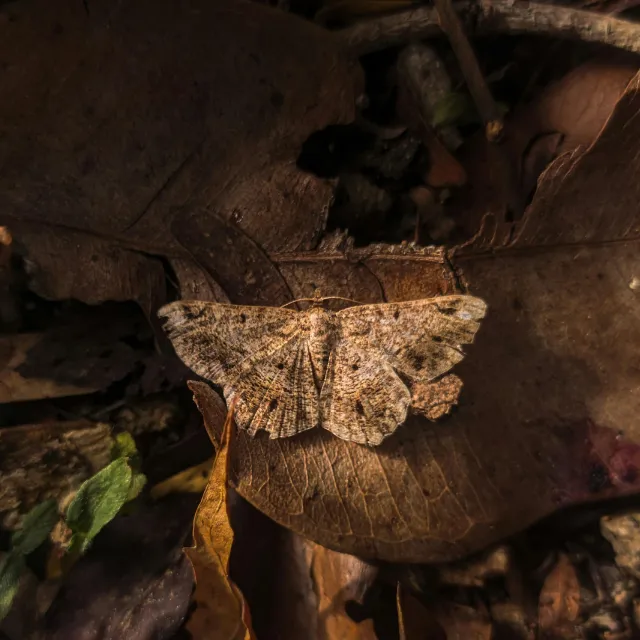
Autumn gardens can provide an enormous amount for wildlife.
Seed heads provide food.
Fallen leaves shelter insects and other creatures.
Hedges, shrubs and less-disturbed corners provide cover as temperatures fall.
This doesn't mean abandoning the garden.
It simply means considering whether everything really needs to be removed.
A small pile of leaves tucked beneath a hedge may look insignificant to us but can provide valuable shelter for creatures such as hedgehogs and insects.
Sometimes leaving something alone is a gardening job too.
Reclaim Areas That Became Overgrown
Summer has a wonderful habit of revealing exactly which parts of a garden have got away from us.
Once vigorous summer growth begins dying back, autumn can be an excellent opportunity to tackle neglected areas.
Perhaps a border has become completely overcrowded.
A corner has disappeared beneath brambles.
Or an area you intended to sort out in spring somehow survived another entire summer untouched.
We can clear overgrown areas methodically while identifying established plants worth keeping rather than automatically ripping everything out.
Prepare for Winter Without Making the Garden Bare
Preparing the garden for winter doesn't mean removing everything until only soil remains.
Instead, think about what actually needs attention.
Remove diseased material where appropriate.
Deal with anything unsafe or damaged.
Clear areas that genuinely need clearing.
Protect vulnerable plants where necessary.
But allow attractive seed heads, grasses and structural plants to remain where they add interest or benefit wildlife.
A winter garden can still be a garden worth looking at.
Autumn Care for Larger Gardens
Autumn can be one of the most productive times of year in an established garden.
With summer growth beginning to subside, we can see the structure more clearly and tackle jobs that were difficult to reach during peak growth.
Longer garden visits are particularly useful for planting, dividing established plants, clearing overgrown areas, working through borders and preparing different parts of the garden for winter.
It's also an ideal time to start planning larger changes for the following year.
Need Help With Your Garden This Autumn?
NPK Garden Services provides autumn garden care throughout Bromsgrove, Barnt Green, Dodford and surrounding Worcestershire areas.
Whether you need help with autumn planting, established borders, pruning, clearance or ongoing knowledgeable garden care, we can help decide what needs doing now — and what is better left alone.
Prepare Now for Next Year's Garden
Autumn work can make an enormous difference to how your garden looks and performs next year.
Tell us a little about your garden and what you'd like help with.
Talk to Us About Your Garden
Complete the form below and we will get back to you
or call: 07857 486300
You Might Also Be Interested In...
Garden Design & Planting
Make the most of autumn planting conditions with plants chosen for the conditions in your garden.
Explore Garden Design & Planting →
Garden Clearance
Bring overgrown areas back under control while retaining established plants worth keeping.
Mature & Existing Plants
Divide, move, rejuvenate and care for the plants already growing in your garden.
NPK Garden Services Ltd
Co. Reg. 15957142
Copyright 2024. All Rights Reserved
Facebook
Instagram