When Is the Best Time to Replace a Garden Fence?
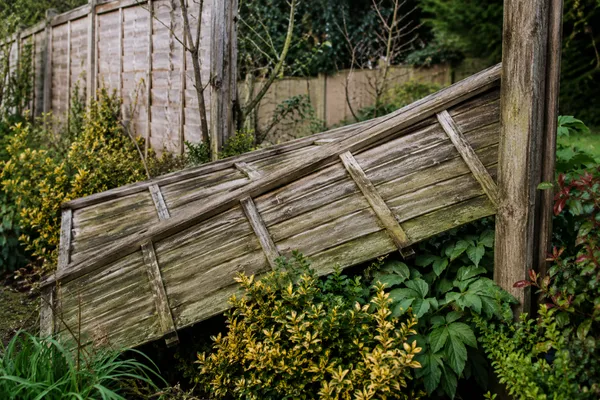
If your garden fence is leaning, rotting or beginning to lose the battle with the British weather, you might be wondering whether you should replace it now or wait for a particular time of year.
The good news is that garden fencing can be replaced throughout most of the year.
There isn't one magic month when every fence should come down and a new one go up.
However, the season can affect how easy the work is, what's growing around the fence and how urgently it needs replacing.
So when is the best time?
Autumn Can Be an Excellent Time to Replace a Fence
Autumn is often a particularly practical time for fencing work.
By this point, much of the garden's most vigorous summer growth is beginning to slow down. Borders can be easier to access and there's often less risk of disturbing actively growing plants around the boundary.
It also gives you an opportunity to deal with a deteriorating fence before winter winds find the weakest panel for you.
If posts are already moving, panels are badly damaged or sections of the fence are leaning, waiting until they actually collapse can turn a planned garden job into an urgent one.
Our Garden Fencing service includes replacement fencing and new garden boundaries throughout Bromsgrove and surrounding areas.
What About Replacing a Fence in Winter?
Winter can also be a good time for fencing.
The garden is generally quieter, deciduous plants have died back or lost their leaves and access to boundaries can be considerably easier than when everything is growing vigorously.
It also means the fencing can be finished before spring, ready for the time of year when you'll probably start spending more time outside again.
But winter does come with one fairly obvious complication:
the weather.
Frozen or waterlogged ground, very heavy rain and severe weather can make some fencing work impractical.
So while winter itself isn't a reason to avoid replacing a fence, the actual ground and weather conditions on the day matter.
Can You Replace Garden Fencing in Spring?
Absolutely.
Spring is when many people start looking at their gardens again and suddenly notice all the jobs that disappeared from view over winter.
If your fence needs replacing, there's no reason to wait until autumn simply because you've missed some imaginary fencing season.
There is, however, more to think about once the garden starts growing.
Plants close to the boundary may be producing new growth, and access can become more difficult as borders fill out.
If you're planning other changes too, spring can be a useful opportunity to think about the fence as part of the wider garden rather than as an isolated job.
Our Spring Garden Care guide looks at some of the other jobs worth considering as the garden starts back into growth.
Can a Fence Be Replaced During Summer?
Yes.
Longer days and generally better weather can make summer seem like the obvious time for outdoor work.
But there can be practical disadvantages.
Borders are likely to be at their fullest, climbing plants may be covering the existing fence and shrubs can make access to posts and panels much more difficult.
There is also more potential to damage plants while trying to reach the boundary.
And if your garden is looking beautiful in July, having people dismantling a fence through the middle of it may not be quite the summer feature you had planned.
That doesn't mean don't do it. It simply means the condition of the garden around the fence needs to be considered too.
Don't Wait for the Fence to Fall Down
The calendar isn't actually the most important factor.
The condition of the fence is.
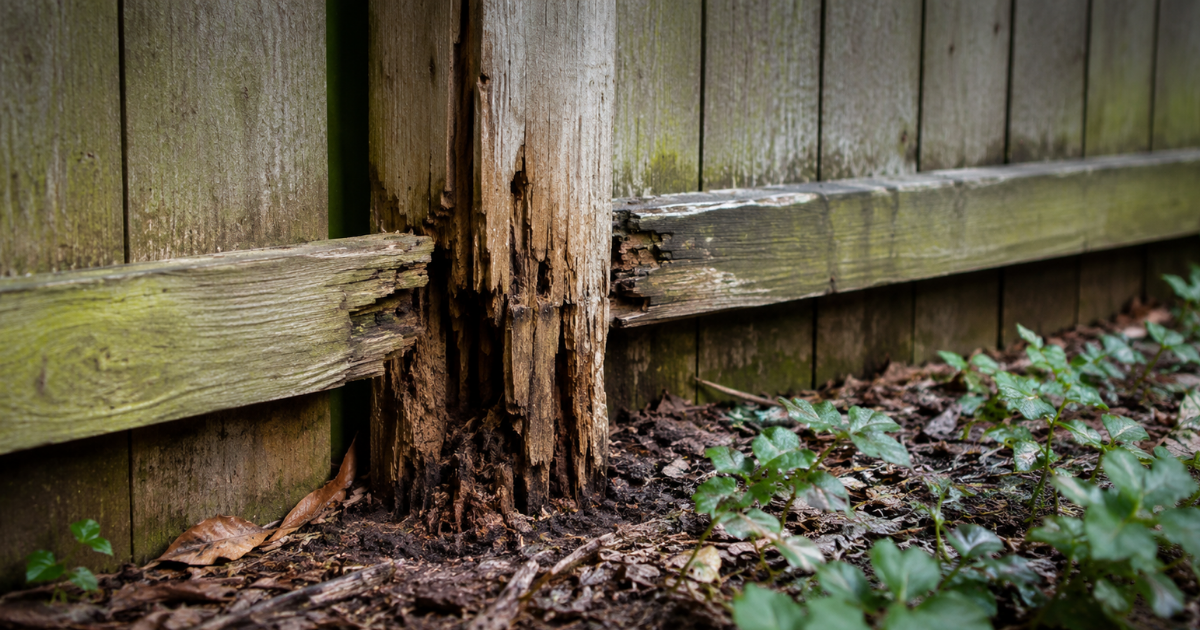
Signs that it may be time to consider replacement include:
posts that move when pushed
extensive rot at ground level
several damaged or broken panels
a fence that is noticeably leaning
repeated repairs to the same sections
fixings that are failing throughout the fence
damage that is affecting the security of the garden
One damaged panel doesn't necessarily mean the entire fence needs replacing.
But when the posts and structure are deteriorating throughout, continually repairing individual sections can become a false economy.
We'll look at this in more detail in our upcoming guide:
How Do You Know When a Garden Fence Needs Replacing?
What If Plants Are Growing Against the Fence?
This is where fencing and gardening really need to talk to one another.
Established climbers, shrubs and trees growing alongside a boundary shouldn't simply be hacked back because they're inconvenient.
Before replacing a fence, it's worth considering what plants are there, what can sensibly be pruned, what needs protecting and whether anything should be moved.
If an established shrub does need reducing to provide access, timing matters.
Our guide 5 Signs a Shrub Needs Pruning - and When to Leave It Alone explains why identifying the plant and understanding how it grows should come before reaching for the secateurs.
So, What Is the Best Time to Replace a Garden Fence?
For many gardens, autumn and winter can be excellent times to tackle fencing because growth has slowed, boundaries may be easier to access and the work can be completed before the garden comes back to life in spring.
But there isn't a single best month.
If your fence is unsafe, badly rotten or likely to come down in the next storm, the best time to deal with it is probably before that happens.
Equally, if the fence is still sound and you're simply planning an upgrade, you have much more flexibility to choose a time that works for both the garden and the weather.
The important thing is to assess the fence that's actually in front of you rather than replacing it simply because it's reached a certain age.
Need a Garden Fence Replacing?
NPK Garden Services provides garden fencing in Bromsgrove and surrounding areas.
Whether you've got a section that's deteriorating, an old boundary that's reached the end of its life or you're planning a larger change to your garden, we can take a look at what is already there and discuss the most appropriate way forward.
Talk to Us About Your Garden Fence →
You Might Also Be Interested In…
Garden Fencing
Explore our garden fencing and fence replacement service.
Garden Clearance
Help clearing overgrown areas and preparing parts of the garden for improvement.
Autumn Garden Care
What to tackle as summer growth begins to slow down.
Winter Garden Care
Practical jobs that can help get your garden ready for spring.
5 Signs a Shrub Needs Pruning — and When to Leave It Alone
How to recognise when an established shrub genuinely needs pruning.