5 Signs a Shrub Needs Pruning — and When to Leave It Alone
It can be very tempting to look at a shrub that's getting a little large or untidy and immediately reach for the secateurs.
But a shrub looking a bit wild doesn't necessarily mean it needs pruning.
Good pruning isn't about making every plant neat. It's about understanding why you're pruning, what you're trying to achieve and how that particular plant will respond.
Sometimes pruning will encourage healthier growth, improve flowering or rescue a shrub that's beginning to outgrow its space.
And sometimes the best thing you can do is leave it alone.
So, how can you tell the difference?
1. There Are Dead, Damaged or Diseased Branches
This is one of the clearest reasons to prune.
Dead or damaged branches don't benefit the plant and can rub against healthy growth, break in bad weather or provide an entry point for disease.
Look for branches that are:
completely dead or brittle
broken or badly damaged
showing obvious signs of disease
rubbing against or crossing other branches
Removing problem growth can improve the structure of the shrub and allow you to see more clearly what healthy growth remains.
But don't assume an apparently bare branch is dead simply because it hasn't produced leaves yet. Some plants wake up considerably later than others in spring.
When in doubt, identify the plant first.
2. The Centre Has Become Very Congested
Over time, some shrubs develop a dense mass of branches through the middle.
This can reduce airflow and light and leave branches rubbing against one another.
Rather than simply chopping the whole shrub back from the outside, selective pruning can often produce a much better result.
Removing some older, weaker or badly positioned stems can open the plant up while preserving its natural shape.
This is particularly important in a mature garden, where established shrubs may have been growing for many years.
If you're caring for an older garden, you may also find our Mature & Existing Plant Care service useful.
3. It's Outgrowing Its Space
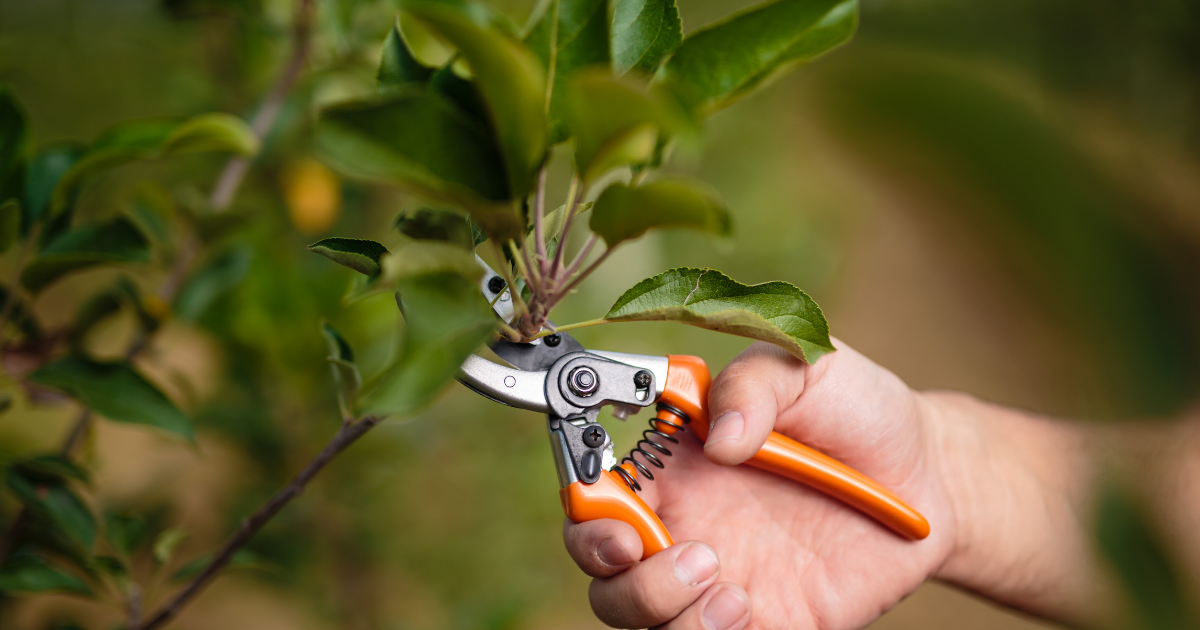
That lovely little shrub planted beside the path ten years ago may no longer be quite so little.
Branches begin covering windows, obstructing paths, growing into neighbouring plants or simply overwhelming the space around them.
Pruning can help - but this is where it's worth asking another question:
Is this actually the right plant for this position?
Constantly cutting a naturally large shrub into a space that's too small for it can become an endless battle.
Sometimes careful renovation pruning will bring an established shrub back under control. In other situations, moving or replacing it with something better suited to the position may make more sense.
Our Garden Design & Planting approach considers the eventual size of plants as well as how they look when they're first planted.
Because that innocent-looking little plant in a garden centre pot may have considerably bigger ambitions.
4. Flowering Has Started to Decline
Some shrubs flower more successfully when older growth is periodically removed.
Selective pruning can encourage fresh stems and rejuvenate a shrub that has become woody or less productive.
But - and this is important - poor flowering doesn't automatically mean a plant needs pruning.
It could also be caused by:
pruning at the wrong time
late frost damaging flower buds
insufficient light
poor growing conditions
the age of the plant
previous hard pruning
Hydrangeas are a perfect example. Some flower on old wood while others flower on new growth, which means pruning them all in the same way can result in a year without flowers.
We've explained this in our guide When Should You Prune Hydrangeas?.
Before pruning a shrub because it isn't flowering, find out how and when that particular plant produces its flowers.
5. It Has Lost Its Natural Shape or Structure
There's a difference between a shrub being naturally informal and one that's genuinely becoming unbalanced.
You might notice one side becoming much heavier, long stems shooting far beyond the rest of the plant or damaged growth affecting its overall structure.
Careful pruning can restore balance without turning the shrub into a ball.
And that's the important bit.
Not every shrub wants to be a ball.
Plants have their own natural forms, and good pruning should usually work with them rather than trying to force everything into exactly the same shape.
So When Should You Leave a Shrub Alone?
This is every bit as important as knowing when to prune.
It's Healthy and Growing Naturally
A healthy shrub doesn't need pruning simply because another year has passed.
Some shrubs require very little intervention beyond removing occasional dead or damaged growth.
If it's healthy, flowering well, fits its space and has a good natural shape, there may be absolutely no reason to interfere with it.
You Don't Know What It Is
This is probably one of the most important rules.
If you don't know what the plant is, don't start cutting it back.
Different shrubs flower and grow in completely different ways.
Pruning at the wrong time can remove flower buds, spoil the natural shape or leave you waiting a very long time for the plant to recover.
Identify first. Prune second.
It's About to Flower
A shrub covered in developing flower buds is generally giving you a fairly strong clue that now might not be the moment for major pruning.
Many spring-flowering shrubs produce their flower buds on growth made the previous year.
Cut that growth off before flowering and you've also cut off the display you were waiting for.
Wildlife Is Using It
Before pruning, particularly during spring and summer, check carefully for nesting birds and other wildlife.
An untidy corner of a shrub that looks like it needs attention to us may currently be providing somebody else with a home.
Our Seasonal Garden Care guides look at ways of managing gardens through the year without unnecessarily removing valuable shelter and habitat.
You're Pruning Simply Because It Looks 'Untidy'
Gardens aren't meant to look exactly the same throughout the year.
Seed heads, old growth and slightly less-than-perfect shrubs can provide winter structure, food and shelter for wildlife and protection for new growth underneath.
Sometimes what looks untidy in November is doing a very useful job.
Before You Pick Up the Secateurs...
Ask yourself four questions:
What plant is it?
Why am I pruning it?
When does it flower?
What will happen after I cut it?
If you can't answer those yet, putting the secateurs down for ten minutes while you find out is usually much easier than waiting a year for the plant to recover.
Good pruning isn't about cutting more.
It's about knowing what to cut, when to cut it - and when to leave well alone.
Need Help With an Established Shrub?
If you've inherited an established garden, have shrubs that have become too large or simply aren't sure what should be pruned and when, we can help.
NPK Garden Services provides knowledgeable pruning services and garden care throughout Bromsgrove and surrounding areas.
We look at the plant, its condition, its position and what you're trying to achieve before deciding what - if anything - needs cutting.
Talk to Us About Your Garden →
You Might Also Be Interested In…
When Should You Prune Hydrangeas?
Learn when different types of hydrangea should be pruned without accidentally removing the flowers.
Pruning Services
Knowledgeable pruning for shrubs and established plants.
Mature & Existing Plant Care
Care for established plants and gardens that have developed over many years.
Seasonal Garden Care
See what your garden needs throughout spring, summer, autumn and winter.