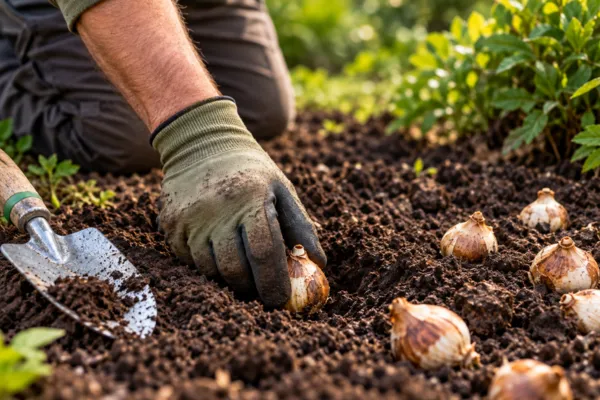
Why September is the Perfect Time to Plant Daffodil Bulbs
There’s something about the first daffodils appearing that makes it feel as though winter is finally on its way out.
But if you want a garden full of yellow next spring, the work starts much earlier.
September is the perfect time to get your daffodil bulbs into the ground.
A little bit of planning now can make a huge difference to how your garden looks when spring arrives — and daffodils are one of the easiest ways to add colour year after year.
When should you plant daffodil bulbs?
September is an ideal time to plant daffodil bulbs in the UK. The soil is still relatively warm, giving the bulbs time to begin establishing roots before winter.
Don't panic if September gets away from you, though - daffodils can still be planted later in autumn.
So if you've been looking at bags of bulbs in the garden centre and thinking I'll do those later...
This is your reminder.
Where should you plant them?
Daffodils are wonderfully versatile.
They can work in borders, underneath deciduous trees and shrubs, in lawns, around the edges of established gardens or in pots and containers.
They generally prefer well-drained soil and somewhere that gets a reasonable amount of light.
One thing worth remembering is what the garden will be like in spring rather than what it looks like today. A spot underneath a deciduous tree may look shaded in summer, for example, but can receive plenty of light in early spring before the tree comes fully into leaf.
This is where a little garden design and planting planning can make a big difference. Rather than simply finding an empty space for your bulbs, think about what will be growing and flowering around them when spring arrives.
How deep should you plant daffodil bulbs?
A useful rule is to plant bulbs at around two to three times the depth of the bulb itself.
The pointed end goes upwards, with the flatter root end at the bottom.
Don't worry about getting a ruler out and making every bulb identical. Gardens aren't supposed to be engineering projects.
Don't plant them like little soldiers
If you want daffodils to look as though they naturally belong in the garden, avoid planting them in perfectly straight lines with identical spacing.
Groups and drifts usually look much more natural.
One simple trick is to gently scatter a handful of bulbs over the area and plant them roughly where they land. You'll automatically create a more informal arrangement.
And don't be frightened of planting plenty.
Ten daffodils dotted across a large border can disappear visually. A generous group flowering together creates much more impact.
What about planting daffodils in a lawn?
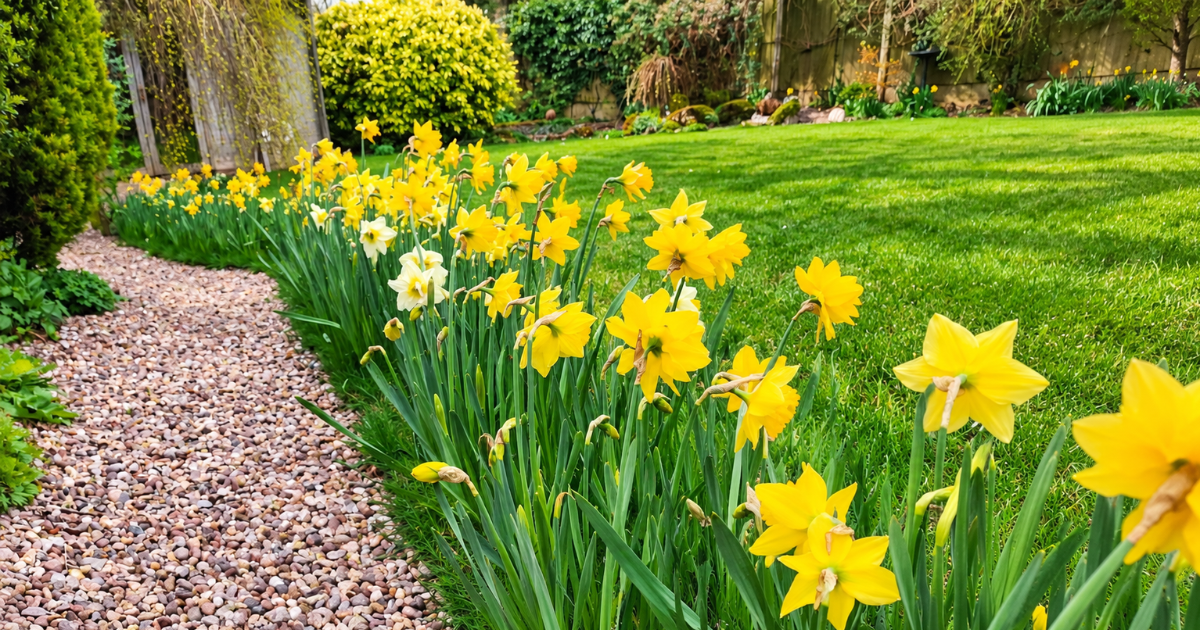
Daffodils can look beautiful naturalised through grass, particularly in larger gardens.
There is one important consideration, though.
You need to allow the foliage to die back naturally after flowering.
Those leaves are feeding energy back into the bulb for the following year's flowers. If they're cut down immediately because the lawn needs mowing, you may gradually weaken the display.
So think about how you use and maintain the area before planting hundreds of bulbs through the middle of your immaculate lawn.
Areas where grass can be left a little longer in spring are often a better choice.
Can you plant daffodils in pots?
Absolutely.
They're a lovely way of bringing early colour close to the house, particularly if most of your borders are further away.
Make sure the container has good drainage and avoid leaving bulbs sitting in waterlogged compost.
You can also combine bulbs that flower at different times to extend the display rather than having everything appear and disappear at once.
What should you do after they've flowered?
This is where one of the most common mistakes happens.
Once the flowers have finished, you can remove the faded flower heads if you wish, but leave the green foliage alone until it has naturally yellowed and died back.
It may not look particularly glamorous for a few weeks, but those leaves are doing an important job.
Cutting or tying up healthy green leaves because they look untidy can reduce the energy going back into the bulb and affect future flowering.
Sometimes good gardening means knowing when not to tidy something up.
The same principle applies throughout the garden. Knowing when a shrub actually needs pruning - and when it's better left alone - can make a big difference to the health and flowering of established plants.
Think about next spring now
One of the joys of gardening is that you're often working several months ahead.
In September, it's easy to concentrate on what's finishing, what needs cutting back and what needs tidying before winter.
But it's also the perfect opportunity to stand back and imagine what you'd like to see when the garden starts waking up again.
Could a bare area beneath a tree become a sweep of daffodils?
Could an empty section of border have colour before your later plants get going?
Could a few pots near the house give you something cheerful to look at on a grey February or March morning?
Thinking ahead like this is an important part of seasonal garden care. What you do in your garden now can have a huge effect on what you enjoy several months from now.
Plant your daffodil bulbs in September, and let spring provide the reward.
Need help planning your planting?
At NPK Garden Services, we don't just look at what a garden needs today. We consider how planting will develop through the seasons and how existing plants can work alongside new additions.
If you'd like help with planting, improving established borders or planning more seasonal colour in your garden, take a look at our Garden Design & Planting service or get in touch to talk about your garden.